

Advantages and Disadvantages of Quartz Movements
A quartz movement is, simply put, a battery-powered electronic movement that keeps time by means of quartz crystal oscillation. Its electronic circuitry converts the oscillation frequency of the crystal oscillator into hand movement for timekeeping.
The battery supplies electric power, and the circuit applies voltage to the quartz wafer. When energized by voltage, the precisely cut quartz wafer vibrates at a fixed frequency of 32,768 times per second. An integrated circuit (IC) continuously counts and divides the vibration signals. Once 32,768 vibrations are accumulated, one pulse is output. The pulse drives a stepper motor, which turns the gear train and moves the hour, minute and second hands.
In 1969, Japanese watchmaker Seiko launched the world’s first commercial quartz watch, the Astron 35SQ. This launch is widely recognized as a milestone in horology, marking the transition of timekeeping technology from the purely mechanical era to the electronic age.
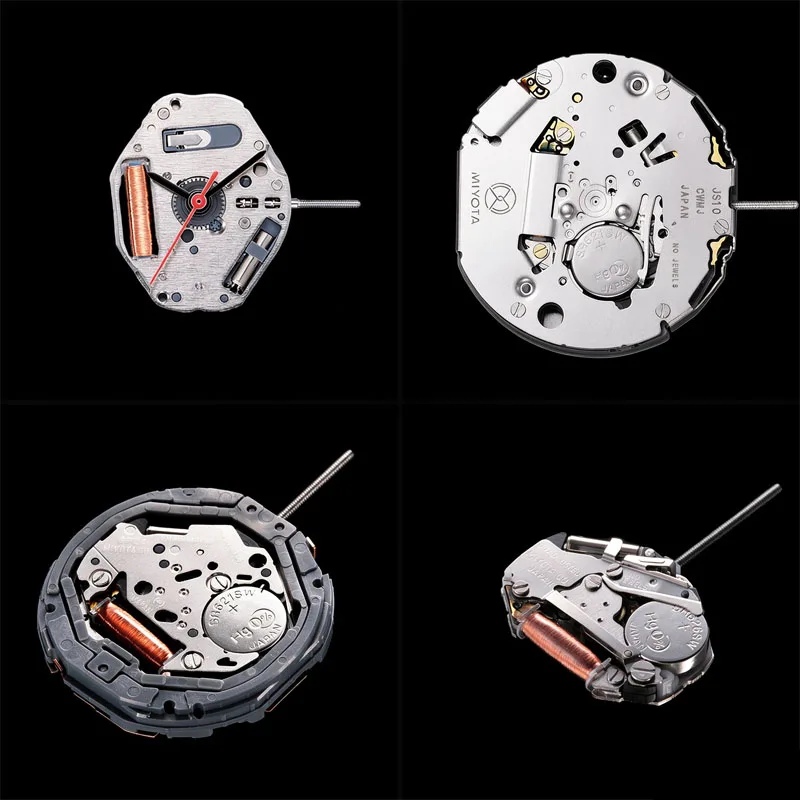
Six Advantages of Quartz Movements
1. High Accuracy
The average timekeeping accuracy of a quartz watch can reach ±10 to 15 seconds per year, making it one of the most precise timekeeping devices available. By comparison, an ordinary mechanical watch may gain or lose several seconds or even tens of seconds per day.
2. Slim and Lightweight
The compact structure of quartz movements allows watches to be designed slimmer, smaller and flatter. This design flexibility gives brands great room for aesthetic creation and enables a wide variety of styling options.
3. Low Maintenance
Quartz watches require almost no routine maintenance. They only need a battery replacement every few years to function properly, delivering a hassle-free wearing experience.
4. High Durability
Compared with mechanical movements, quartz movements are more resistant to shocks and temperature changes. With fewer components, they have a lower failure rate and a longer service life.
5. Cost-Effective
Quartz watches have much lower production costs than mechanical and automatic watches and are more affordably priced, making them an ideal choice for general consumers
6. Versatile Functions
Quartz technology can easily integrate various complicated functions such as digital display, alarm, chronograph and world time, meeting diverse needs of different users.
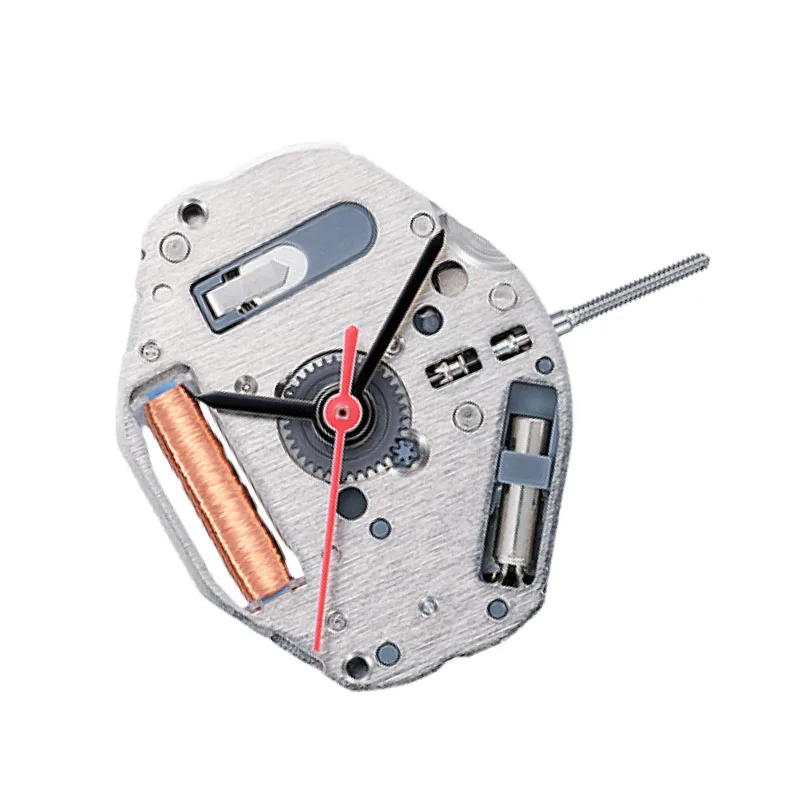
Five Limitations of Quartz Movements
1. Temperature Sensitivity
Changes in temperature can subtly affect the oscillation frequency of the quartz crystal, which in turn has some impact on timekeeping accuracy. That said, high-precision movements equipped with TCXO (Temperature Compensated Crystal Oscillator) technology can effectively mitigate this issue, though at a relatively higher cost.
2. Battery Dependence
A quartz watch relies on a battery to operate. For watch enthusiasts who prefer mechanical watches that run without an external power source, this may be seen as a downside.
3. Lower Perceived Value
Within the luxury watch market, quartz watches are generally regarded as having less collectible and resale value than mechanical watches, which weakens their appeal in the luxury segment.
4. Less Artisanal Appeal
While quartz watches are highly functional, they lack the craft beauty and artistry of mechanical movements with meshing fine gears and hand-finished surfaces — features cherished by many horology enthusiasts.
5. Ticking Sound
Some quartz watches produce an audible ticking sound as the seconds hand advances. This may feel less elegant to those who favour the smooth sweeping seconds hand of mechanical watches.
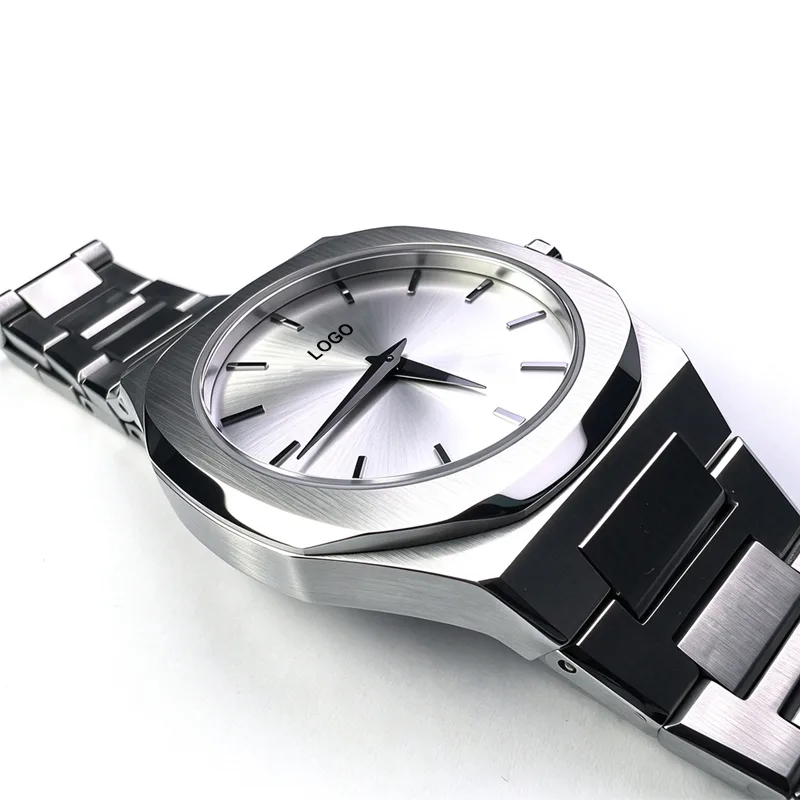
How do you choose the most suitable movement for your watch brand?
Quartz movements are currently the most widely used movement type worldwide, especially suitable for watch brands targeting the mid-to-low-end market. Featuring low production costs, high accuracy and low mechanical failure rates, they serve as an ideal starting point for new brands to enter the market.
Recommended Watch Movement Brands: Seiko、Miyota、Ronda、Sellita
There are only a handful of globally well-known watch movement manufacturers, and each has its own areas of expertise. For newly established watch brands, if your target customers are mass consumers, choosing a basic Japanese quartz movement as your starting point to develop the market is the most practical strategy. As your brand matures and its positioning upgrades, you may gradually introduce higher-quality Swiss movements to upgrade and expand your product line.
Picking the right movement is the first step toward building your brand.